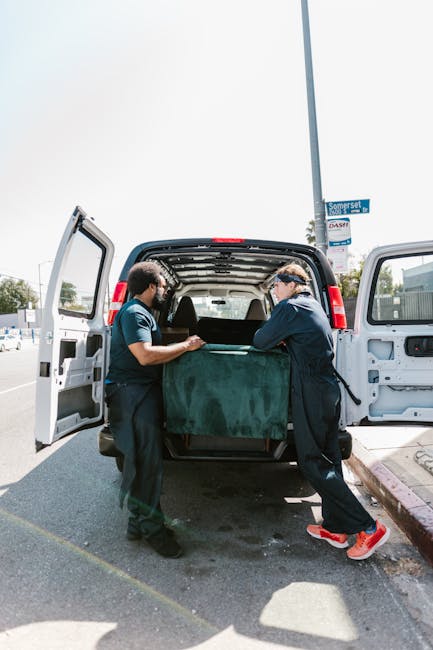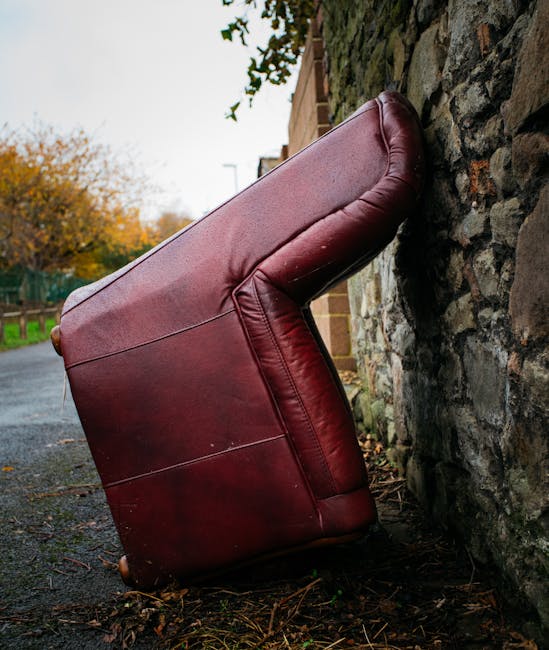
Sofa and bulky rubbish removal Marshalswick homes: a practical guide for tidy, stress-free clearances
If you are staring at an old sofa in the hallway, a broken wardrobe in the spare room, or a pile of bulky bits that somehow grew overnight, you are not alone. Sofa and bulky rubbish removal Marshalswick homes is one of those services people usually look for at the exact moment they need space back, quickly, and without the faff of hiring a van or wrestling a three-seater down the stairs.
In Marshalswick, where homes range from family houses with tight front paths to flats with shared access and narrow parking spots, bulky waste removal needs a bit of planning. The good news? Done properly, it is straightforward. This guide explains how it works, what to expect, common mistakes to avoid, and how to choose a service that is safe, sensible, and respectful of your home.
Along the way, we will keep it practical. No waffle. Just the stuff people actually need to know before booking a collection or arranging a house clearance.
Why Sofa and bulky rubbish removal Marshalswick homes Matters
Bulky items are awkward in a way that regular rubbish is not. A sofa is heavy, bulky, sometimes splintering at the frame, and often too large to fit through a doorway without some manoeuvring. A mattress, broken table, old chest of drawers, or garden item can create the same headache. In a typical Marshalswick home, those obstacles can quickly turn into a half-finished job sitting in the front room for another week. Or two. Let's face it, that is not ideal.
There are a few reasons this kind of removal matters so much locally. First, space matters. Families, home workers, landlords, and downsizers all need rooms to feel usable, not cluttered. Second, bulky waste can become a safety issue. An unstable chair or damaged sofa frame is a trip hazard. Third, leaving items outside "for later" can cause bother with neighbours, weather damage, and in some cases complaints if a shared area starts to look neglected.
There is also the simple reality that bulky items are not easy to dispose of responsibly without the right vehicle, loading equipment, and sorting process. A proper collection service does more than just lift and go. It should handle access carefully, separate reusable items where possible, and dispose of waste in line with UK expectations for responsible handling. If you want to understand the company behind that kind of work, the about us page is a sensible place to start.
For homeowners, the benefit is not just a clear room. It is a calmer house. For landlords and agents, it is a faster turnaround. For older residents or busy families, it is peace of mind. Simple, really.
How Sofa and bulky rubbish removal Marshalswick homes Works
Most removals follow a similar pattern, even if the exact service varies. You contact the provider, describe what needs taking away, agree a collection time, and the team arrives with the right vehicle and lifting equipment. Then the items are loaded, the area is checked, and the waste is taken for processing. Straightforward on paper, though of course the real-world version involves stairs, door frames, side gates, and the occasional sofa that appears to have been designed by someone with a grudge.
Typical collection process
- Initial enquiry: You explain what needs removing, how many items there are, and whether access is easy or awkward.
- Quote or estimate: A sensible provider will base pricing on load size, item type, labour, and access conditions.
- Collection slot: A time is arranged that suits your household. Morning slots are often best if parking is tight.
- On-site assessment: The team checks the items and confirms the scope before lifting begins.
- Safe removal: Furniture is taken out carefully to avoid wall scuffs, floor damage, or injury.
- Sorting and disposal: Reusable materials may be separated, and the rest is sent through appropriate waste channels.
That last point matters. A decent service should not simply dump everything together and call it done. Good waste handling means thinking about what can be reused, recycled, or processed properly. If sustainability matters to you, take a look at the company's recycling and sustainability information before booking.
Sometimes there are small complications. For example, a sofa might need to be split before it will move safely, or a bulky item may need two people to take it down a narrow staircase. That is normal. The job is to manage those issues without making them your problem.
Key Benefits and Practical Advantages
Why do people choose professional bulky item removal instead of doing it themselves? Usually because it saves time, avoids strain, and reduces the risk of damage. But the real benefits go a bit deeper than that.
- Less physical strain: Old sofas are heavier than they look. One wrong twist can leave you with a sore back for days.
- Faster clear-outs: A trained team can remove items in minutes that might take a homeowner an entire afternoon.
- Safer handling: Heavy furniture moving often goes wrong when people underestimate the weight or lose grip on awkward corners.
- Better for access challenges: Shared stairwells, tight porches, and parked cars can all complicate the job.
- Cleaner finish: Once the bulky item is gone, you can actually use the room again. Amazing how that works.
- More responsible disposal: Professional teams should sort, separate, and dispose with care rather than just offloading everything.
There is also a less obvious advantage: momentum. Once the sofa is gone, people often deal with the rest of the room too. The broken lamp, the old rug, the box of "bits we will sort out later." It all starts to move. That makes bulky waste removal a useful first step in a bigger decluttering project.
Expert summary: If the item is large, heavy, awkward, or likely to damage your walls, floors, or back, professional removal is usually the sensible choice. The best services feel calm and organised from start to finish, not rushed or messy.
Who This Is For and When It Makes Sense
This service is not just for people moving house. In Marshalswick, bulky rubbish removal can make sense for all kinds of homes and situations.
Common situations
- Replacing old furniture: A new sofa is arriving tomorrow and the old one has to go today.
- End of tenancy or landlord clearance: Tenants leave behind items that need removing before re-letting.
- Downsizing: When moving to a smaller property, there is often more furniture than space.
- Garage or loft clear-outs: Those areas have a habit of collecting bulky things nobody wants to deal with.
- Household refresh: Sometimes you just want a room to feel lighter, quieter, and less cramped.
- Bereavement or sensitive clearance: These situations need a respectful, careful approach, not a noisy rush.
If you are managing a full property clearance, you may also want to review the company's terms and conditions so you know what is included, what counts as bulky waste, and how any access or extra labour may be handled.
Truth be told, the service makes the most sense when the job is bigger than a bin bag but smaller than a full renovation strip-out. That middle ground is where many homeowners get stuck. Too awkward for the council bin. Too much trouble for a DIY lift. Exactly the kind of job a proper collection can solve.
Step-by-Step Guidance
If you want the smoothest experience, it helps to think about the removal in stages. A little prep goes a long way.
1. Identify what needs to go
Walk through the space and list every bulky item clearly. Sofa, armchair, mattress, sideboard, TV unit, coffee table, broken chair, and so on. If there are detachable parts, mention them. A picture on your phone is even better.
2. Check access before you book
Ask yourself: can a sofa be moved down the stairs without scratching the walls? Is there parking close by? Is there a low porch roof or a tight turn at the front door? These little details affect how the job is planned.
3. Separate anything you want to keep
This sounds obvious, but it is the step most people skip in a rush. Move personal belongings, cables, cushions, throws, and small items out of the way. Once the team arrives, you do not want to be rummaging through drawers trying to find a charger.
4. Get a clear quote
Good pricing should be transparent. It may depend on item volume, weight, labour, and access. For a detailed breakdown, the pricing and quotes page can help you understand how the service is structured before you make a decision.
5. Confirm the collection details
Make sure the date, address, access notes, and item list are all correct. If you live on a busy road, mention parking limitations. If the sofa is upstairs, say so. The more accurate the brief, the smoother the day.
6. Prepare the area
Clear a path from the item to the exit. Open gates if needed. Put away loose mats or ornaments. If weather is wet, a quick towel down near the entrance can help keep floors clean. Tiny thing, but it matters.
7. Let the team handle the lifting
This is not the moment to insist on "helping just a bit" when the item weighs more than your first car. Professionals should use safe lifting methods, take care around walls and frames, and decide whether an item needs to be turned, tilted, or dismantled.
8. Check the finish
Once everything is removed, look over the room, hallway, and entrance path. A trustworthy crew should leave the area tidy and make sure no fixings, scraps, or packaging are left behind.
Expert Tips for Better Results
There are a few small things that make bulky rubbish removal work better, especially in older or tighter properties around Marshalswick.
- Book earlier in the day if access is tricky. Parking tends to be easier and everyone is a bit fresher.
- Photograph the items first. Pictures often explain more than a long description ever could.
- Measure doorways and stair turns. If the sofa is a tight fit, say so upfront. Saves everyone a headache.
- Ask whether dismantling is possible. Some items are easier to remove in sections than in one piece.
- Keep children and pets clear of the route. Heavy furniture and small feet do not mix well.
- Choose a provider that talks about safety. The company's health and safety policy and insurance and safety information are worth reviewing if you want reassurance on process and responsibility.
A small local insight: in many family homes, the collection is easiest when the room is already half-cleared. You will feel it the moment the heavy item is gone; the room suddenly looks bigger, lighter, and oddly quieter. Nice feeling, that.
One more thing. If you are sorting multiple bulky items, stack them sensibly in advance, but only if that is safe. Don't build a leaning tower of chairs and hope for the best. We all know how that ends.
Common Mistakes to Avoid
Most problems with bulky item removal are avoidable. They usually come down to planning, assumptions, or trying to save a bit of time by guessing.
- Underestimating size and weight: A sofa that looks manageable in the lounge can feel twice the size on the stairs.
- Forgetting about access: A narrow passage or parked car can change the job completely.
- Not confirming what is included: Some items may count as separate pieces, especially if a sofa has detachable parts or extra cushions.
- Leaving personal items inside furniture: People forget wallets, paperwork, remotes, and keys all the time.
- Choosing only on price: The cheapest quote is not always the safest or cleanest service.
- Assuming everything is recycled: Responsible disposal is the aim, but not every material can be reused or recycled in the same way.
Another common one: people assume bulky rubbish can simply be left by the kerb and collected later. Sometimes it can't, and even when it can, timing matters. If you are unsure, ask for guidance rather than guessing. It saves awkwardness and, frankly, avoids neighbour-eye-rolls.
Tools, Resources and Recommendations
You do not need specialist kit for a normal household collection, but a few simple tools and resources can make life easier.
Useful items to have ready
- Measuring tape: Helpful if you need to check whether a sofa will fit through a doorway.
- Phone camera: Take photos from a few angles so the provider can see access and item condition.
- Gloves: Useful for moving smaller loose items, though not a substitute for proper lifting techniques.
- Marker tape or notes: Handy if you want to label what stays and what goes.
- Basic cleaning cloths: Useful once the bulky item is removed and you want to wipe down the space straight away.
From a planning point of view, it also helps to keep the following pages in mind when reviewing a provider:
- contact details for arranging a collection
- payment and security information
- recycling and sustainability commitments
- background on the team and service approach
If accessibility matters in your home or building, it is also reassuring to review the provider's accessibility statement. That can be especially relevant for shared entrances, mobility needs, or communication preferences.
Law, Compliance, Standards, or Best Practice
With bulky rubbish removal, the main thing is to use a service that handles waste responsibly and works in line with normal UK expectations for safety, duty of care, and clear communication. You do not need to become a compliance expert to book a sofa collection, but a few sensible checks go a long way.
At a practical level, that means the provider should be clear about what happens to the items, how they are transported, and whether any materials are separated for reuse or recycling. It should also mean they take care around your property and their own staff. Sounds obvious, but not everyone does.
Best practice usually includes:
- clear identification of the job before collection
- careful manual handling and safe lifting
- appropriate vehicle use for heavy or bulky waste
- honest pricing and no surprise extras
- respectful treatment of private homes and shared entrances
- responsible disposal routes where materials allow
When reviewing a provider, the most useful trust signals are often simple policy pages rather than flashy claims. For example, insurance, health and safety, complaints handling, and privacy information all help show how a business works in practice. You can also check the company's complaints procedure and privacy policy if you want to understand how they manage issues and personal information.
And yes, it is a boring bit of the process. But boring can be reassuring. Boring often means organised.
Options, Methods, or Comparison Table
There is more than one way to deal with a bulky sofa or a pile of large household waste. The right option depends on your schedule, the item condition, and how much lifting you want to do yourself.
| Method | Best for | Pros | Limitations |
|---|---|---|---|
| DIY disposal | Very small loads and easy access | Can seem cheaper upfront | Heavy lifting, vehicle needed, time-consuming, higher risk of damage or injury |
| Council collection route | Those who can wait and meet the local process | Structured and familiar | May involve booking delays, item limits, or access restrictions |
| Private bulky rubbish removal | Urgent or awkward household clear-outs | Convenient, often flexible, less physical effort for the homeowner | Costs more than doing it yourself, so quote checking matters |
| Full house clearance | Multiple rooms, probate, or major downsizing | Covers a lot in one visit | May be more service than you need for a single sofa |
For a single tired sofa, a direct removal service is often the sweet spot. For several bulky items spread around the property, a broader clearance may be more efficient. The key is not to overbuy the service, but also not to undershoot it and end up doing half the job twice. Nobody needs that.
Case Study or Real-World Example
Here is a realistic example from the kind of job many Marshalswick homes need, especially in busy family periods.
A homeowner decides to replace a large three-seater sofa after years of use. The old one is still intact, but it is too heavy to move safely without help. The hallway is narrow, the front door opens onto a small path, and there is limited parking outside. In the same week, they also want to clear a broken armchair and a coffee table from the front room.
Before collection, they measure the hallway turn, clear the route, and take a few photos. They also keep cushions, small items, and any paperwork out of the room. On the day, the collection team assesses the best angle for removal, protects the route where needed, and takes the items out carefully without scraping the walls.
Afterward, the room feels transformed. Not redecorated, not magical, just properly usable again. The new sofa can go in, the old clutter is gone, and the homeowner does not spend the weekend nursing a strained shoulder. That is the real win.
This kind of job also tends to remind people that bulky rubbish removal is not just about waste. It is about making a home work better, which sounds grand, but it is often as simple as being able to sit down in a room without stepping over furniture.
Practical Checklist
Use this quick checklist before your collection day. It keeps things calm and cuts down on last-minute scrambles.
- List every bulky item clearly
- Take photos of the items and access route
- Measure tight doorways or stair turns if needed
- Move personal belongings out of the way
- Check parking and entry access
- Confirm the collection time and address
- Review pricing details before booking
- Ask about dismantling if the item is awkward
- Keep children and pets safely away from the route
- Inspect the space after removal
Quick takeaway: If you prepare the route, describe the items accurately, and choose a provider that is clear about safety and disposal, the whole process becomes much easier. Not flawless perhaps, but easy enough to feel under control.
Conclusion
Sofa and bulky rubbish removal Marshalswick homes is all about making a difficult job simple. Whether you are clearing a single bulky sofa, multiple pieces of furniture, or a room that has become overrun with awkward items, the right service should save time, reduce stress, and leave you with a cleaner, more usable home.
The best results come from a bit of preparation and a provider that is transparent about access, safety, pricing, and disposal. When those things line up, the process is usually smoother than people expect. And honestly, once that bulky item is finally gone, the relief is hard to beat.
If you want to arrange a collection, ask a question, or compare options for your home, start with the details that matter: access, item size, timing, and trust. The rest tends to fall into place.
Get a free quote today and see how much you can save.
Sometimes the best home improvement is simply getting the old thing out the door.
Frequently Asked Questions
What counts as bulky rubbish in a Marshalswick home?
Bulky rubbish usually means large household items that are awkward to move or do not fit into standard waste containers. Sofas, armchairs, wardrobes, mattresses, tables, and similar items are common examples.
Can you remove a sofa if it needs to be carried down stairs?
Yes, in many cases. The key is to explain the access details in advance. Narrow staircases, tight turns, and low ceilings can all affect how the item is removed, so accurate information helps the team plan safely.
Do I need to dismantle the sofa before collection?
Not usually. Many services can handle intact sofas, though dismantling may help if access is difficult. If the sofa has removable legs or sections, mention that when you book.
How do I know if I should book a bulky item removal or a full clearance?
If you only have one or a few large items, bulky item removal is usually enough. If several rooms need clearing, or you are dealing with a wider home emptying job, a full clearance may be more practical.
Will the team take more than just the sofa?
Often yes, as long as the extra items are agreed in advance and fit within the service scope. It is better to list everything clearly before collection rather than adding items on the day without warning.
How far in advance should I book?
That depends on urgency and availability, but giving yourself a little lead time is wise. It helps with planning, access, and pricing. If the item needs to go before a delivery or move date, book as early as you can.
What if my home has limited parking or shared access?
Say so upfront. Limited parking, shared entrances, or a long carry distance can all affect the collection. A good provider will want to know this before arriving so there are no surprises.
Is bulky rubbish removal safe for older or fragile properties?
It can be, provided the team works carefully and plans the route properly. Good handling matters even more in homes with older flooring, narrow hallways, or delicate plasterwork.
What happens to the items after collection?
That depends on the condition of the items and the provider's disposal process. In responsible operations, items may be separated for reuse or recycling where possible, with the rest handled through appropriate waste routes.
How should I prepare before the collection team arrives?
Clear the route, move personal belongings, confirm the items to be removed, and make sure access is easy. If possible, take a few photos beforehand and keep pets or children away from the working area.
Do I need to be at home during the collection?
Usually yes, or at least someone should be available to confirm access and the items being removed. That avoids confusion and helps the process run smoothly.
What should I check before accepting a quote?
Check what the quote includes, whether access or labour might affect the final price, and whether the company provides clear information on safety, payment, and complaints. If anything feels vague, ask questions before booking.
If you want the simplest route, think in three parts: clear description, safe access, and a provider you trust. Get those right and bulky removal becomes one less thing hanging over your head. That alone is worth a lot.